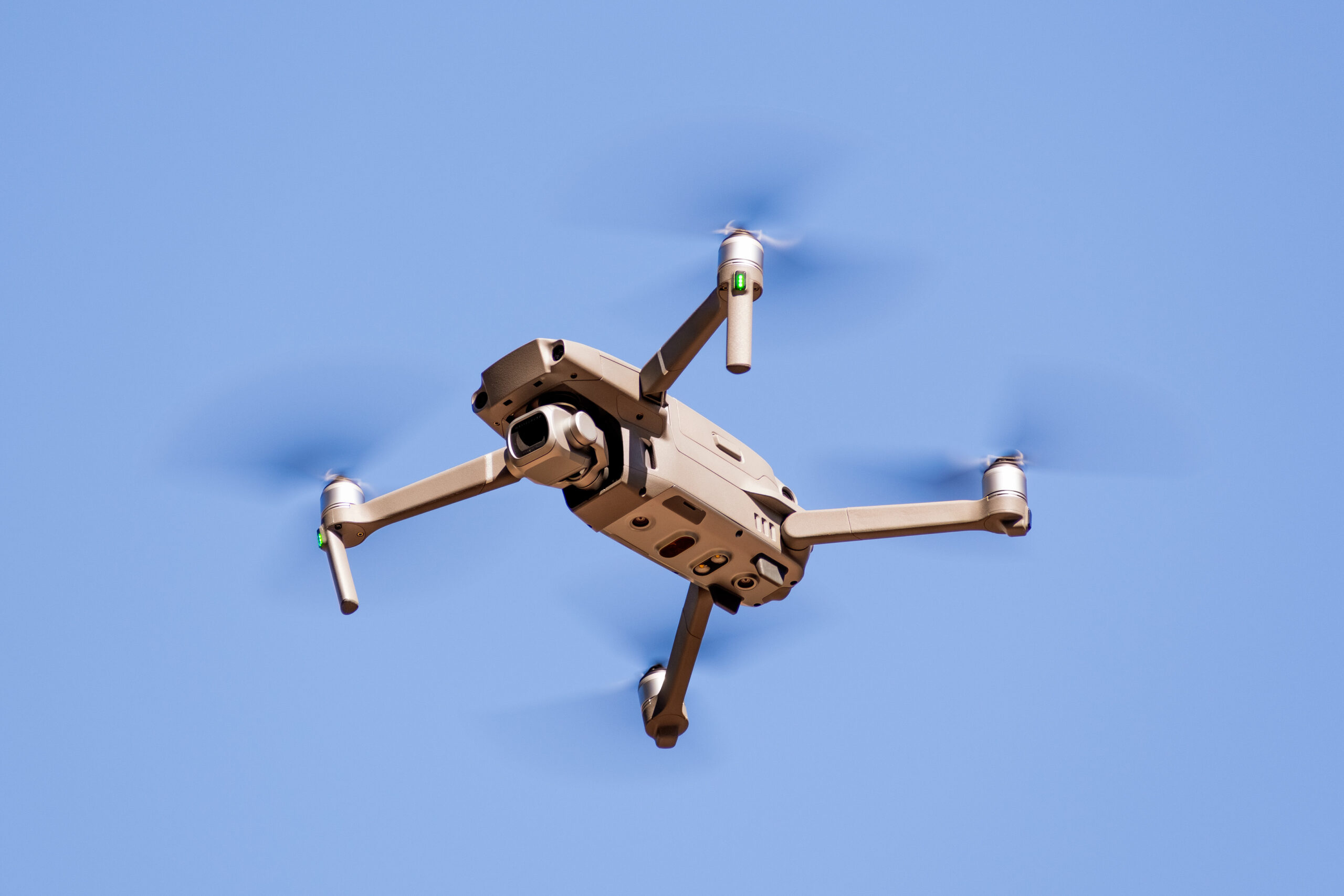
In today’s fast-paced industrial and commercial sectors, drones and unmanned aerial systems (UAS) have become invaluable tools for collecting data. From energy infrastructure inspections to precision agriculture and public safety missions, the sheer volume of information gathered by aerial sensors can be overwhelming. The key to maximizing the value of drone technology is turning raw aerial data into actionable insights that inform decisions, improve efficiency, and reduce risk. Here’s how organizations can leverage UAS data effectively.
Step 1: Understand the Types of Aerial Data
Before you can extract actionable insights, it’s important to understand the types of data drones can collect:
- Imagery Data: High-resolution photographs or video captured by standard RGB cameras. Useful for visual inspections, monitoring construction progress, or marketing purposes.
- Thermal and Infrared Data: Detects heat signatures, enabling inspections of electrical systems, solar panels, and pipelines to identify inefficiencies or potential hazards.
- LiDAR and 3D Mapping Data: Uses laser scanning to create precise topographical maps or models, ideal for surveying, infrastructure planning, and environmental monitoring.
- Multispectral Data: Captures information beyond visible light, often used in agriculture to assess crop health, water stress, or soil conditions.
Understanding what kind of data you have is the first step toward making it actionable. Each type of data has unique applications and analytical methods.
Step 2: Collect High-Quality, Consistent Data
The insights you derive are only as good as the data you collect. Consistency, accuracy, and proper sensor calibration are critical. Using advanced flight planning software, like Vertex Unmanned’s Aloft Air Control, ensures that drones fly precise paths and capture repeatable data across missions. Consistent collection methods make it easier to compare results over time, track trends, and spot anomalies.
Proper sensor selection and maintenance also matter. Thermal cameras must be calibrated, and LiDAR sensors need to be correctly aligned. The more precise your input, the more reliable your output.
Step 3: Use Analytical Tools to Process Data
Raw aerial data is rarely ready for immediate decision-making. Analytical tools and software platforms are essential for transforming information into meaningful insights. Some ways to process data include:
- Image Analysis Software: Automates detection of defects, anomalies, or areas of interest in large image datasets.
- 3D Modeling and GIS Tools: Converts LiDAR and photogrammetry data into maps, models, and simulations that inform planning and design.
- Thermal Analysis Software: Highlights hotspots, temperature deviations, or system inefficiencies.
- AI & Machine Learning Integration: Advanced platforms can identify patterns, predict potential issues, and provide recommendations without manual intervention.
Investing in analytics platforms ensures your team can focus on actionable decisions rather than sifting through raw data manually.
Step 4: Translate Insights Into Action
Once data has been processed, it’s crucial to interpret it in a way that leads to tangible actions. For example:
- In energy infrastructure, aerial thermal data may reveal hotspots in electrical equipment, prompting preventive maintenance before failures occur.
- In agriculture, multispectral imaging can highlight underperforming crops, enabling targeted irrigation or fertilizer application.
- In construction, 3D mapping data ensures projects stay on schedule by comparing progress against plans.
The goal is to bridge the gap between observation and decision-making. Data should directly inform operational strategies, reduce risk, and improve efficiency.
Step 5: Continuously Monitor and Refine
Aerial data isn’t static; ongoing collection and monitoring allow organizations to track trends, measure improvements, and refine strategies. Regular drone missions provide up-to-date information, helping teams anticipate issues rather than react to them.
Vertex Unmanned’s enterprise solutions allow for scalable operations, making it easy to integrate aerial data collection into routine inspections, maintenance planning, or monitoring programs. By combining consistent data collection with robust analytics, organizations can transform UAS technology from a data-gathering tool into a strategic decision-making platform.
Turning aerial data into actionable insights requires high-quality data collection, powerful analytical tools, and informed interpretation. When done correctly, it enables organizations to identify risks early, optimize operations, and make data-driven decisions that drive efficiency and cost savings.